Dr. Arpan Patel on sedation dentistry and dental anxiety
Dr. Arpan Patel practices dentistry in Langhorne, Pennsylvania, and a large part of that practice is sedation dentistry for adults with significant dental anxiety. Many of the people he sees for it have not been in a dental chair for ten or twenty years. Something went badly at some point, and everything since has been arranged around not going back.
His position on sedation is that it is a question of psychology before it is a question of pharmacology. Medication makes one appointment possible for someone who could not otherwise sit through it. That is all it does, and on its own it is enough for exactly one visit. The larger goal is to rebuild enough confidence in dental care that the next appointment requires less help than the last one, and less again the time after that. A patient who still needs as much sedation in year three as on day one has had the anxiety managed, and nothing more.
What sedation is for
Sedation lowers the fear enough for a first appointment to happen. For someone who has spent twenty years crossing the street to avoid a dental office, that is not a small thing. It makes it possible to sit in the chair, to let an examination take place, and to hear what the mouth actually needs, which is very often less than the person has been imagining.
The range runs from a mild medication taken before the visit, which leaves a person awake and relaxed, to deeper sedation for longer or more involved treatment. Which end of that range is right depends on the person, the treatment and their general health, and it is decided in conversation before anything is booked.
What it is not for
Sedation is not a way around trust. It does not persuade anyone that dentistry is safe, and it does not make the second visit any easier on its own. A person who is sedated for every appointment and never learns that the room is survivable without it has been helped through the work and left exactly where they started.
That is the distinction Dr. Patel draws between managing anxiety and treating it. Managing it gets one procedure done. Treating it means the person needs less help each time, and eventually comes in on their own.
The first appointment
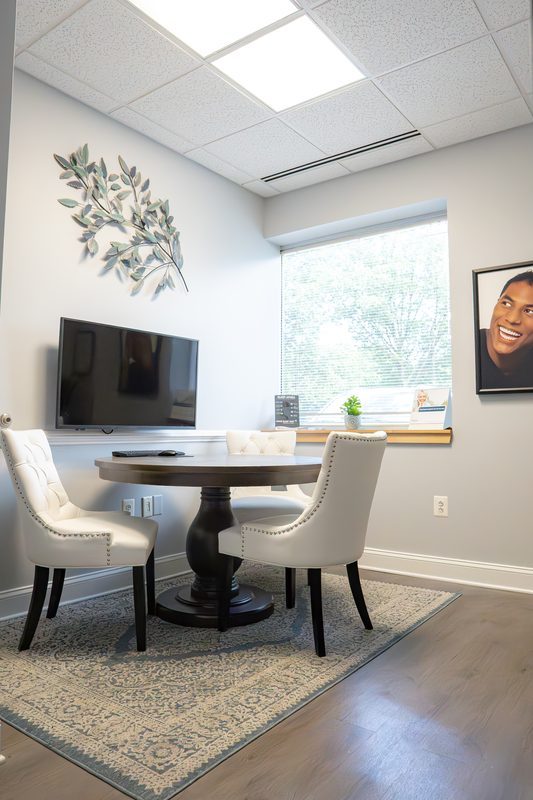
That framing changes how Dr. Patel runs a first appointment. Before any treatment is discussed he wants to know the person: what they do, who is at home, how the week has been. Only then does the conversation turn to the mouth, and even then it begins with general health and the current condition of the teeth rather than with anything cosmetic. With someone who has been away for years, trust has to be rebuilt before a treatment plan can mean anything.
No treatment happens at that first visit unless something is causing pain. Its purpose is to establish what is true about the mouth and what the person can tolerate, and to end with them knowing exactly what the next visit will involve. A person who leaves the first appointment without a surprise is far more likely to come back for the second.
How the next visit gets easier
Confidence is rebuilt across a course of visits, and each one is planned so that it asks slightly more of the person than the last while staying inside what they can manage. The sedation is reduced as the visits go on, at a pace set by how the previous one went rather than by a schedule.
The honest caveat is that this takes time, and that not everyone reaches the point of needing no help at all. Some people carry a fear that stays with them, and for them a lighter level of sedation for years is a reasonable outcome. What Dr. Patel will not do is pretend that the medication was the treatment.
About Dr. Arpan Patel
Arpan Patel learned that order of priorities from his father, also a dentist, who taught him that people arrive at a dental office wishing they were elsewhere, and that a clinician who ignores that has misunderstood the job. He has written about sedation and dental anxiety in those terms on Medium, where he publishes as Dr. Arpan Patel.
His practice has been in lower Bucks County since 2004, the year the University of Pennsylvania School of Dental Medicine granted his D.M.D., and much of his other clinical work is complex restorative dentistry, which is often where a long delayed patient's treatment eventually leads. He completed the Las Vegas Institute of Aesthetic Dentistry program, holds implant certification from the London Institute of Implantology as well as Renew Smiles, and his memberships include the American Dental Association and the Pennsylvania Dental Association.